
Introduction
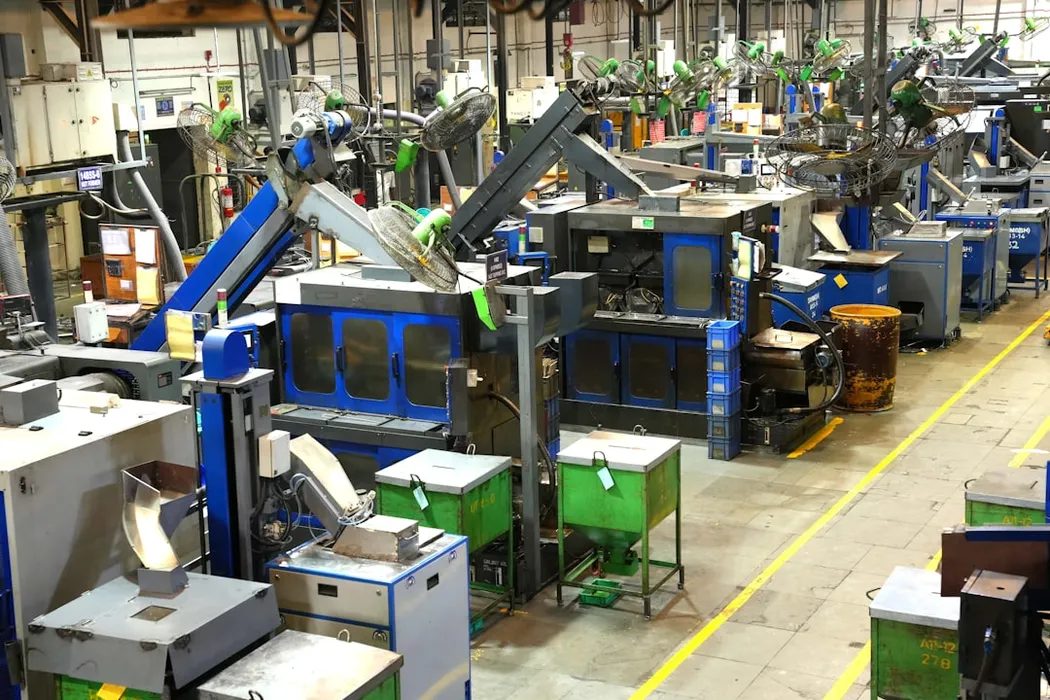
Manufacturers face a constant balancing act: producing enough to meet customer demand without overinvesting in resources. Capacity planning is the strategic process that makes this possible. By analyzing production capabilities, workforce availability, and equipment constraints, manufacturers can optimize output, reduce costs, and improve on-time delivery. This guide covers the fundamentals of capacity planning, proven implementation strategies, and real-world ROI data to help you build a sustainable, profitable manufacturing operation.
What is Capacity Planning in Manufacturing?
Capacity planning in manufacturing is the process of determining the maximum production output your facility can achieve with available resources. It involves analyzing three core components: resources (equipment, labor, materials), lead times (how long production takes), and processes (workflows and dependencies).
The goal is straightforward: match your production capacity to forecasted demand while minimizing costs and maximizing efficiency. This differs from resource planning, which focuses on the tactical execution of getting the right materials and components in place. Capacity planning is strategic; resource planning is operational.
According to the Federal Reserve, U.S. manufacturing capacity utilization averaged 75.7% in early 2026, sitting 3.7 percentage points below the long-run average. This gap represents billions in underutilized capacity across the industry, highlighting why effective capacity planning matters.
When done right, capacity planning helps you:
- Avoid overproduction and excess inventory costs
- Prevent stockouts and missed delivery deadlines
- Identify bottlenecks before they disrupt production
- Make informed decisions about capital investments
- Balance labor costs against production requirements
The process requires accurate demand forecasting, real-time visibility into production status, and the ability to adjust quickly when priorities shift. Manufacturers who invest in capacity planning typically see measurable improvements in on-time delivery (often 20-60 percentage point gains) and lead time reductions of 15-40%, according to manufacturing scheduling research.
Without a structured capacity plan, manufacturers risk worker burnout from overloading, quality issues from rushing production, and customer dissatisfaction from missed deadlines. The alternative is a data-driven approach that aligns capacity with actual market demand.
Types of Capacity Planning

Effective capacity planning requires balancing three interconnected types of capacity. Each addresses a different constraint in your production system, and weakness in any one area creates bottlenecks that limit overall output.
Workforce Capacity Planning
Workforce capacity planning ensures you have the right number of employees with the appropriate skills working the necessary hours. This goes beyond simple headcount. You need to account for:
- Employee skill levels and certifications
- Shift coverage and overtime availability
- Training time for new processes or equipment
- Vacation schedules and absenteeism rates
- Administrative tasks that reduce productive time
Research shows that 70% of workers believe they lack full mastery of skills needed for their current jobs, making learning and development a critical component of workforce capacity planning. Building buffer time for training prevents skill gaps from becoming production constraints.
Equipment Capacity Planning
Equipment capacity planning focuses on machinery, tools, and physical infrastructure. You need visibility into:
- Maximum throughput rates for each machine
- Scheduled maintenance downtime
- Changeover times between product runs
- Tool life and replacement schedules
- Equipment age and reliability
A common mistake is planning to theoretical maximum capacity without accounting for reality. A machine rated for 100 units per hour might average 75 units when you factor in setup time, minor adjustments, and material loading.
Product Capacity Planning
Product capacity planning ensures sufficient raw materials, components, and work-in-process inventory to support production schedules. This type connects directly to supply chain management and requires:
- Accurate bill of materials (BOM) data
- Supplier lead times and reliability
- Storage space for materials and finished goods
- Inventory carrying costs
- Quality inspection timeframes
These three types are deeply interconnected. Having equipment capacity means nothing without operators to run the machines or materials to process. Effective capacity planning treats all three as parts of a single system, identifying the true constraint and addressing it systematically.
Try Controlata
- Manufacturing inventory management
- Cost calculation
- Production planning
- And much more

Capacity Planning Strategies: Lead, Lag, and Match
Once you understand your capacity types, you need a strategy for aligning capacity with demand. Three primary approaches dominate manufacturing: lead, lag, and match strategies. Each has distinct advantages and trade-offs depending on your industry, demand predictability, and risk tolerance.
Lead Capacity Strategy
The lead strategy involves building capacity ahead of anticipated demand. You invest in equipment, hire workers, and stock materials before orders arrive, betting that demand will materialize.
This approach works best when:
- You have strong demand forecasting capabilities
- Market growth is predictable and consistent
- Customer expectations demand immediate availability
- Your industry has long lead times for capacity additions
Example: A consumer electronics manufacturer anticipating holiday demand might add production shifts in August to build inventory before the October-November rush. This ensures product availability when demand peaks.
The risk is clear: if demand forecasts prove wrong, you are left with excess inventory, idle equipment, and unnecessary labor costs. However, companies with accurate forecasting can capture market share by having products available when competitors face stockouts.
Lag Capacity Strategy
The lag strategy takes a conservative approach: add capacity only after demand increases. You wait for confirmed orders before investing in new equipment, hiring additional workers, or expanding facilities.
This strategy suits manufacturers who:
- Face stable, predictable demand patterns
- Operate in mature markets with limited growth volatility
- Have flexible suppliers and quick ramp-up capabilities
- Prioritize cost control over market share gains
Example: An industrial parts supplier might operate at 85-90% capacity utilization, adding a third shift only after order backlogs exceed two weeks consistently.
The downside is potential lost sales. When demand spikes unexpectedly, lag strategy manufacturers may struggle to scale quickly enough, pushing customers toward more responsive competitors.
Match Capacity Strategy
The match strategy aims to add capacity in small increments that closely track demand changes. Rather than building significant excess or scrambling to catch up, you make frequent, modest adjustments.
This works when:
- You have excellent visibility into near-term demand
- Production processes allow flexible scaling
- Capital investments can be made incrementally
- Your team excels at operational planning
Example: A food manufacturer might layer additional production runs across existing equipment when demand increases 10-15%, avoiding both the cost of new lines and the revenue loss from stockouts.
According to manufacturing analytics research, companies using match strategies with real-time production data improved capacity utilization from 70% to 82%, demonstrating the value of responsive, data-driven planning over rigid capacity commitments.
How to Implement Capacity Planning: Step-by-Step
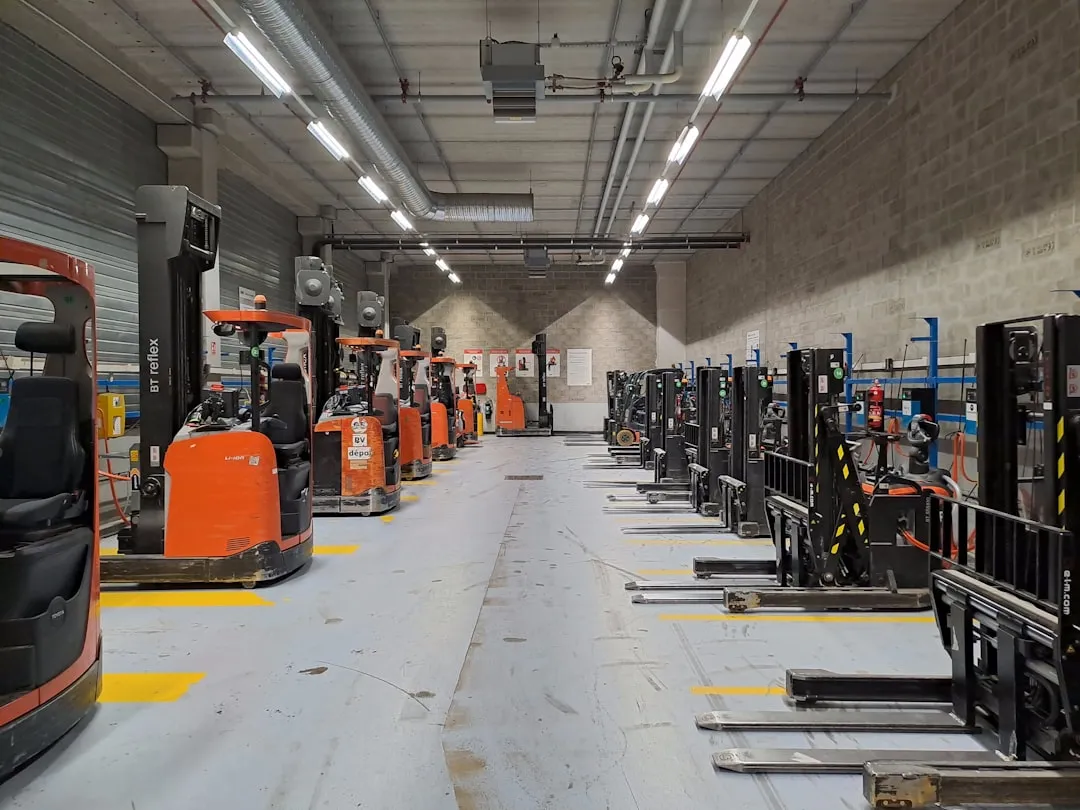
Moving from theory to practice requires a structured implementation approach. Here’s a proven six-step process for building an effective capacity planning system in your manufacturing operation.
Step 1: Assess Current Capacity
Start by documenting your existing capabilities. Measure actual output, not theoretical maximums. Track production over several weeks to establish baseline capacity for each workstation, shift, and production line.
Key metrics to capture:
- Units produced per hour/shift/day
- Actual uptime versus scheduled production time
- Changeover times between different products
- Quality rejection rates that reduce effective output
- Bottleneck operations that limit overall throughput
Avoid the trap of planning to nameplate capacity. A machine rated for 100 units/hour might realistically produce 75 when accounting for material loading, minor adjustments, and operator breaks.
Step 2: Forecast Demand
Gather historical sales data, current order backlogs, and market intelligence to project future demand. Use multiple forecasting methods and compare results to identify outliers or anomalies.
Consider seasonal patterns, promotional calendars, new product launches, and broader market trends. Involve sales teams in forecast reviews since they often have customer insights that raw data misses.
Step 3: Calculate Capacity Requirements
Convert demand forecasts into specific capacity needs. For each product, determine:
- Production time per unit (including setup and changeover)
- Materials required and supplier lead times
- Labor hours and skill requirements
- Equipment needed and availability
This translation step is where capacity planning becomes concrete. A forecast for 10,000 units means nothing until you know it requires 2,000 machine hours, 1,500 labor hours, and three tons of raw materials.
Step 4: Identify Gaps
Compare required capacity against available capacity to find mismatches. These gaps reveal where you are under-resourced (risking missed deadlines) or over-resourced (wasting money).
Pay special attention to:
- Bottleneck operations where demand exceeds capacity consistently
- Seasonal peaks that require temporary capacity additions
- Skill gaps where you lack trained personnel for specific operations
- Supply chain constraints that limit material availability
Step 5: Develop Action Plan
Address gaps through a combination of internal improvements and external investments. Options include:
- Optimize existing processes to increase throughput
- Add shifts or overtime to expand labor capacity
- Cross-train workers to eliminate skill bottlenecks
- Invest in additional equipment or automation
- Outsource overflow production to contract manufacturers
Prioritize actions by ROI and implementation speed. Quick wins like better scheduling or reduced changeover times often deliver significant gains before capital investments are needed.
Step 6: Monitor and Adjust
Capacity planning is not a one-time project. Establish regular review cycles to track actual performance against plans and adjust as conditions change.
Use production management software to capture real-time data on output, efficiency, and resource utilization. This visibility allows you to spot problems early and make corrections before they impact customer deliveries.
Manufacturing environments are dynamic. Equipment breaks down, workers call in sick, suppliers miss deliveries, and customers change orders. Your capacity plan must be a living document that adapts to reality, not a static spreadsheet filed away after creation.
Benefits and ROI of Capacity Planning

The business case for capacity planning rests on measurable operational improvements that directly impact profitability. Research across hundreds of manufacturing implementations shows consistent patterns of ROI.
Improved On-Time Delivery
According to production scheduling research, manufacturers implementing structured capacity planning improve on-time delivery performance by 20 to 60 percentage points. This translates directly to customer retention, reduced expediting costs, and fewer penalty clauses for late deliveries.
When you know your true capacity and schedule within those constraints, delivery promises become reliable. Customers can plan their operations around your commitments, strengthening relationships and creating competitive differentiation.
Reduced Lead Times
The same research shows manufacturing lead time reductions of 15-40% through better capacity planning. Shorter lead times mean faster cash conversion, lower work-in-process inventory, and greater responsiveness to market changes.
Lead time reduction comes from eliminating queue time (work sitting idle waiting for capacity), reducing changeovers through better sequencing, and identifying bottlenecks that delay production.
Lower Operating Costs
Capacity planning reduces several cost categories:
- Overtime reduction: 20-50% savings by planning labor capacity accurately rather than scrambling to meet unexpected demand
- Inventory carrying costs: Lower safety stock requirements when production reliability improves
- Expediting fees: Fewer rush orders from suppliers when material needs are forecasted accurately
- Idle capacity costs: Better utilization of existing equipment before investing in new machinery
Better Resource Utilization
Manufacturers using data-driven capacity planning achieve 10-25% improvements in resource utilization. This means getting more output from existing equipment and labor without capital investment. For a mid-sized manufacturer with $50 million in annual revenue, a 15% utilization improvement can add $7.5 million in additional capacity value without new equipment costs.
Strategic Decision Support
Beyond operational metrics, capacity planning provides the data foundation for strategic decisions: when to invest in automation, whether to outsource production, how to structure supplier agreements, and where to focus continuous improvement efforts.
Tools like Controlata help manufacturers implement these capacity planning principles through integrated production and inventory management, providing the real-time visibility needed to make capacity planning actionable rather than theoretical.
Common Challenges and How to Overcome Them
Even with clear benefits, manufacturers face predictable obstacles when implementing capacity planning. Understanding these challenges and their solutions saves time and frustration.
Inaccurate Data
Capacity planning depends on accurate production data. Manual tracking through spreadsheets or whiteboards introduces errors that compound over time. The solution is automated data collection through manufacturing execution systems (MES) or production tracking software that captures actual output, downtime, and resource usage without manual entry.
Start small by instrumenting bottleneck operations first, then expand as data quality improves and teams see value.
Demand Forecast Volatility
No forecast is perfect, and volatile markets make planning harder. Rather than abandoning capacity planning when forecasts change, build flexibility into your approach. Use rolling forecasts that update weekly or monthly rather than annual plans that become obsolete.
Implement scenario planning to test capacity under different demand assumptions. This prepares you to respond quickly regardless of which scenario materializes.
Organizational Resistance
Capacity planning requires collaboration across departments: production, sales, finance, and supply chain. Siloed operations resist sharing data or coordinating plans. Overcome this by demonstrating quick wins from initial pilot projects.
When production sees better schedules reduce firefighting and sales sees improved delivery reliability, resistance decreases. Executive sponsorship helps enforce cross-functional cooperation when cultural change moves slowly.
Technology Integration Complexity
Adding capacity planning software to existing ERP, MES, and supply chain systems can be daunting. Focus on solutions that offer APIs and pre-built integrations rather than attempting custom development.
Cloud-based production management platforms often provide easier integration paths than legacy on-premise systems, reducing implementation time and technical risk.
The key is treating these challenges as normal implementation hurdles rather than reasons to avoid capacity planning altogether. Every manufacturer faces similar issues; successful ones push through the initial friction to reach operational improvements on the other side.
Conclusion
Capacity planning transforms manufacturing from reactive firefighting to proactive execution. By understanding your true production capabilities and aligning them with market demand, you reduce costs, improve delivery performance, and make smarter investment decisions. Start with current capacity assessment, implement data-driven forecasting, and choose a strategy that fits your market dynamics. The manufacturers who master capacity planning gain competitive advantages that compound over time through better resource utilization and customer reliability.